
Blog / News

In our article, we’ll explain:
- What the white line disease is and why it matters
- Risk factors that make cow hooves vulnerable
- How to spot early signs of white line weakness
- Hoof care practices to reduce the risk of white line syndrome
- About DD-Delete White Line® Care Gel, designed for hoof care maintenance after trimming
What is the White Line in Dairy & Meat Cows?
The white line is the narrow area where the hoof wall horn meets the sole horn. It acts like a shock absorber, allowing the hoof to flex slightly with movement. A healthy white line is crucial for:
- Hoof stability
- Cow mobility
- Long-term claw health
When weakened, small cracks or separations may appear. Over time, this can allow dirt, stones, and bacteria to penetrate, leading to discomfort and lameness if not managed.
White line disease in cows (more accurately called white line syndrome) is one of the most common hoof issues seen in dairy herds. While it’s not a disease in the medical sense, it can seriously impact mobility, cow comfort, and herd performance if left unmanaged.
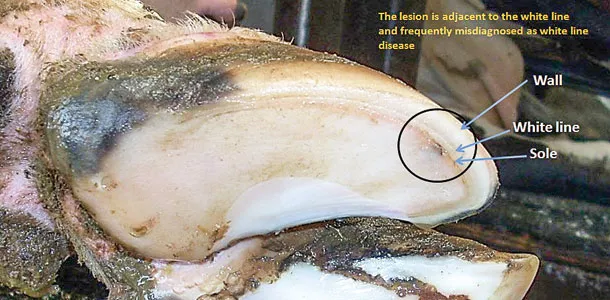
Image source: https://www.agproud.com
What Causes the White Line to be at Risk?
The white line is constantly under pressure. The most common contributing factors include:
- Mechanical stress: overgrown claws, long toes, or uneven weight distribution
- Environmental stress: wet or unclean flooring lowers horn quality; hard concrete accelerates wear
- Cracks and separations: once they form, debris gets packed in and the bond between the sole and wall weakens
How to Spot Early Signs of White Line Issues
Regular hoof trimming is key here. During hoof checks, watch for:
- Chalky or crumbly horn
- Dirt or gravel packed into cracks
- Loose horn around the sole-wall junction
- Discoloration or dark lines at the junction
The earlier these changes are spotted, the easier it is to manage them with trimming and proper hoof care.

Image source: https://www.msdvetmanual.com
How to Prevent White Line Disease in Cows
A preventive routine is the most effective approach:
- Schedule hoof trimming at least 2–3 times per year
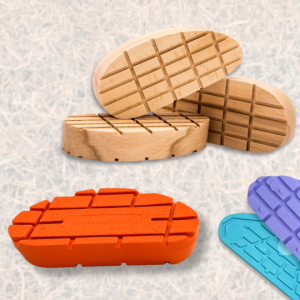
- Balance claws with hoof blocks to reduce pressure points
- Keep housing clean, dry, and well-ventilated
- Do regular hoof bathing, cleaning and examination of cow hooves during every trimming session
- Use supportive hoof care products designed for the white line
DD-Delete White Line®: A Practical Hoof Care Gel
As part of trimming and daily hoof maintenance, many farmers look for a product that’s safe, long-lasting, and easy to apply.
DD-Delete White Line® Care Gel is designed specifically for use in the hoof’s white line area during trimming. It contains a carefully chosen blend of ingredients for hoof care while being environmentally safe and free from antibiotics.
Key Benefits
- Antibiotic-free: safe, compliant with farming standards
- Strong adhesion: effective for 7–14 days after application
- Economical: 50–70 applications per cartridge
- Water-repellent: holds up in wet conditions
- Easy to apply: use with the CowCare TAPE&CARE dry pads or other tapes or bandages for best results

How to Apply DD-Delete White Line®
- Clean the hoof, wash it thoroughly to remove manure, mud, or debris
- Apply generously by covering the white line area with DD-Delete® Care Gel
- Combined with TAPE&CARE bandages for optimal adhesion, or any other bandages work as well
- Recheck after 14 days, reapply if necessary
- Use preventively as part of routine hoof trimming sessions
Conclusion
The white line may be a small part of the hoof, but its health is critical for mobility and comfort in dairy cows. Regular trimming, clean housing, and consistent hoof care practices can significantly reduce risks. DD-Delete White Line® Care Gel offers farmers a practical hoof care option to support long-lasting white line integrity.
If you notice serious cracks, large separations, or recurring problems, always consult your hoof trimming professional or veterinarian for tailored advice.
FAQ’s
Is white line disease treatable?
White line issues can be managed with proper hoof trimming, housing conditions, and supportive care products. Always seek advice from a hoof care professional for severe cases.
What causes white line weakness in cows?
Mechanical stress (long toes, overgrowth), environmental factors (wet floors, hard concrete), and small cracks that let debris enter are the most common causes.
How often should I apply DD-Delete White Line®?
One application typically lasts 7–14 days. Reapply as part of your trimming cycle or sooner if the hoof shows signs of weakness.